Junctional TrainingBY JUNCTION JAH
Most pre-workouts are just common ingredients with a wild label and a high price. The point of a DIY pre-workout stack is not to take more. It is to understand what each ingredient does so you can keep it simple and know what you are actually buying.
Supplements come after food, hydration, sleep, and training. If those are a mess, a pre-workout stack will not save you. Start low, learn your tolerance, and be careful with stimulants.
Each ingredient explained plainly. No hype. No proprietary blends. Start with the basics and build only if you need to.
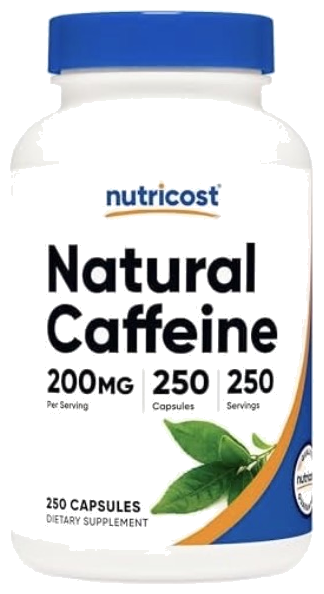
Why it matters: Caffeine is the simple one. It may help with energy, focus, and how hard a session feels. It can also mess with sleep, anxiety, and blood pressure if you take too much or time it wrong. Coffee is caffeine. You do not need a supplement form if a cup of coffee before training already works for you.
Trainer note: Start low. More caffeine does not always mean a better session. It often just means more anxiety and a worse sleep that night.
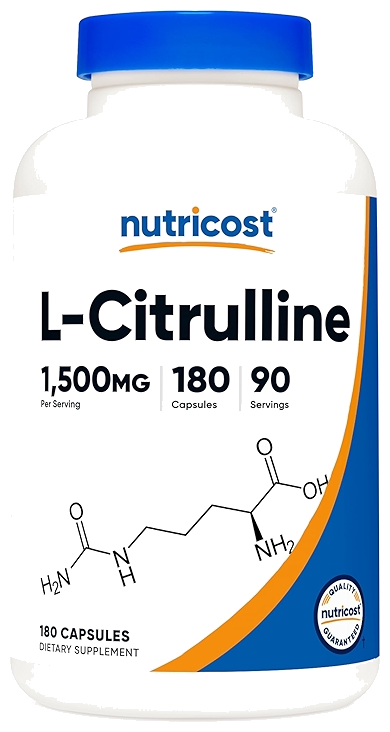
Why it matters: Citrulline is commonly included in pre-workouts for pump and blood flow support. Some people use it for endurance in high-rep work. Research typically uses doses higher than most commercial products include, which is one reason building your own stack makes sense here.
Trainer note: Most commercial pre-workouts include citrulline at doses too low to do much. Buying it separately and dosing correctly is the point of a DIY stack.
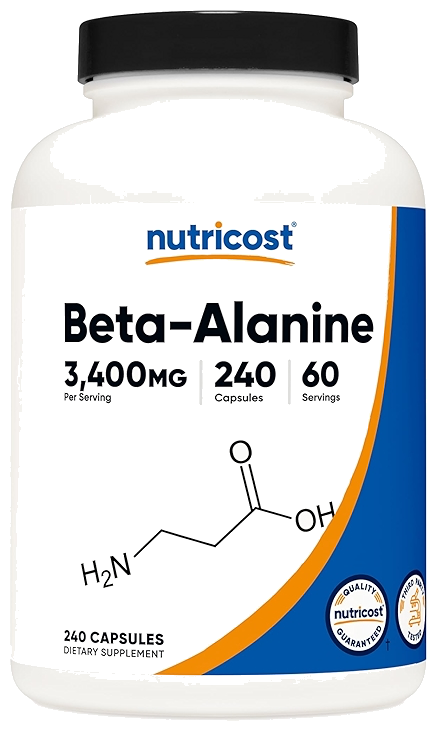
Why it matters: Beta-alanine is often used for high-rep endurance work. It causes a tingling sensation called paresthesia in most people, which is harmless but noticeable. Not everyone likes it, and it is not essential for most training styles. More useful for circuit-style and conditioning work than heavy low-rep strength training.
Trainer note: The tingling catches people off guard the first time. If it bothers you, skip it. Beta-alanine is not essential for most goals.
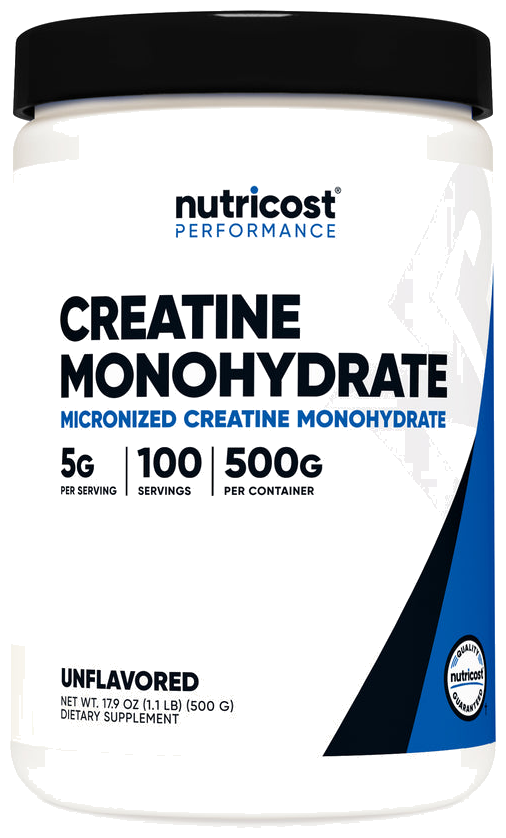
Why it matters: Creatine monohydrate is one of the most studied supplements in sports nutrition. It may support strength, power output, and recovery between high-intensity efforts over time with consistent use. Not a "feel it today" ingredient. Monohydrate is the well-studied form. Fancier versions cost more without consistent evidence of extra benefit for most people.
Trainer note: 3 to 5 grams daily is the commonly studied dose. No loading phase needed. Plain monohydrate is the most studied and most affordable option.
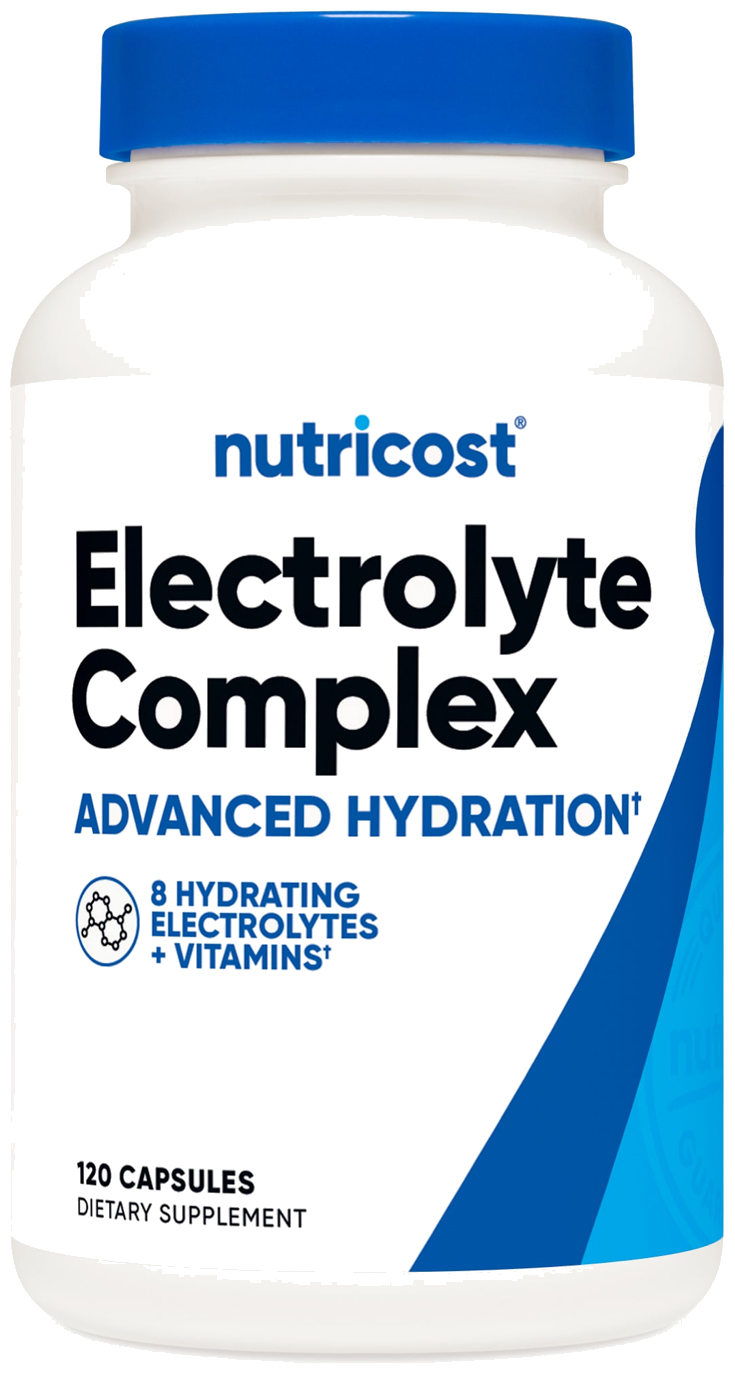
Why it matters: Electrolytes are lost through sweat. Sodium, potassium, magnesium, and chloride may support hydration and how your muscles feel during longer or more intense sessions. More relevant if you sweat heavily, train outdoors in heat, or go over an hour.
Trainer note: Not everyone needs electrolyte supplements. If you train under an hour and eat reasonable food, plain water is probably enough.
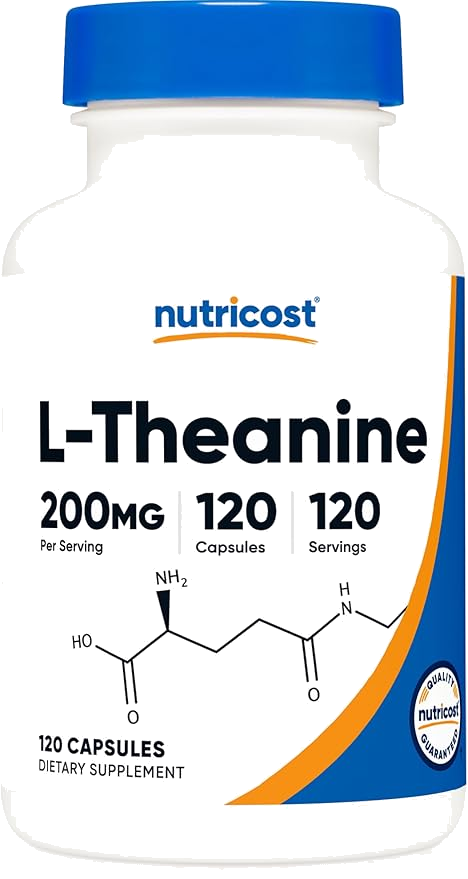
Why it matters: L-theanine is often paired with caffeine. Some people find it smooths out the stimulant feel and reduces jitteriness without blunting the focus effect. Not a standalone pre-workout ingredient, but a useful companion for people sensitive to caffeine edges.
Trainer note: Caffeine and L-theanine is a common pairing for a reason. If stimulants make you feel too wired, this combination is worth trying before abandoning caffeine entirely.
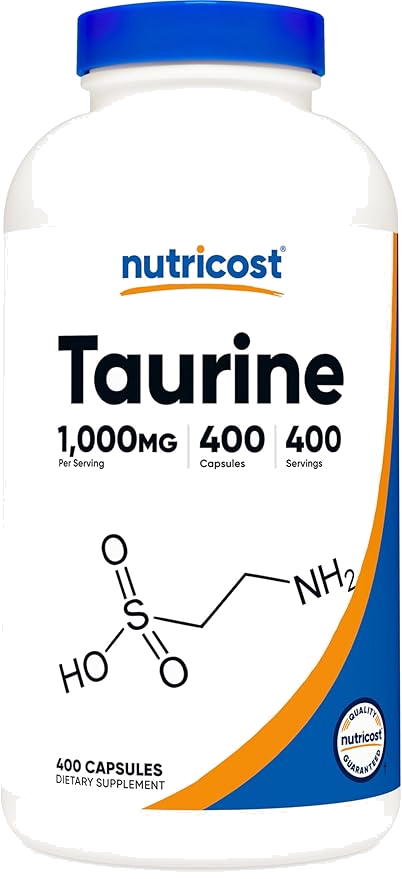
Why it matters: Taurine is a common ingredient in energy drinks and some pre-workout formulas. It is generally well-tolerated. Research on its direct performance benefits is less consistent than creatine or caffeine. More of a common addition than a must-have ingredient.
Trainer note: Taurine is low-risk and commonly included in formulas. Not the first thing I would focus on in a DIY stack, but fine to add once the basics are in place.
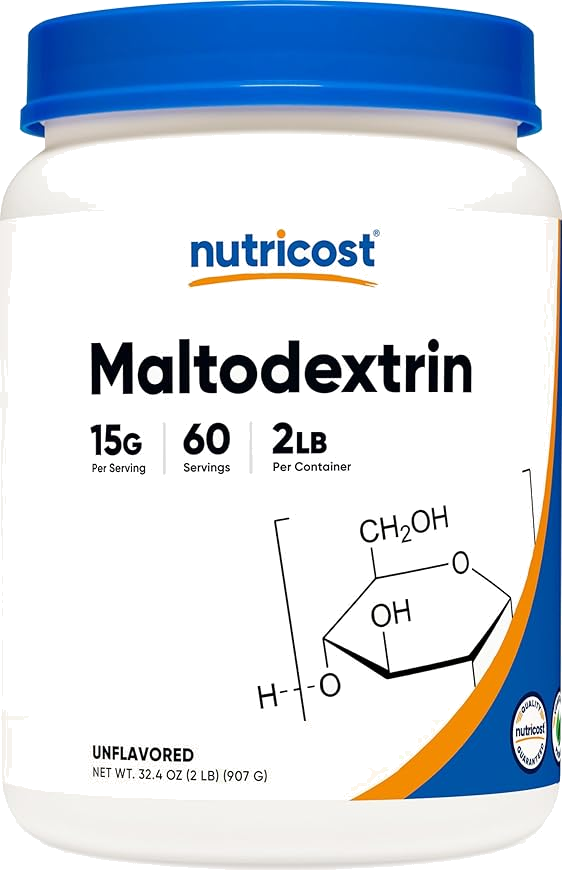
Why it matters: Sometimes the best pre-workout is just food or quick carbs if you have not eaten enough. If you train fasted or in a calorie deficit, fast-digesting carbohydrates before training may do more for your session than any stimulant stack. Do not overlook the simplest option.
Trainer note: If your training feels flat and you are not sure why, check your food intake before adding more supplements. A banana or a small bowl of rice does more for most people than any pre-workout.
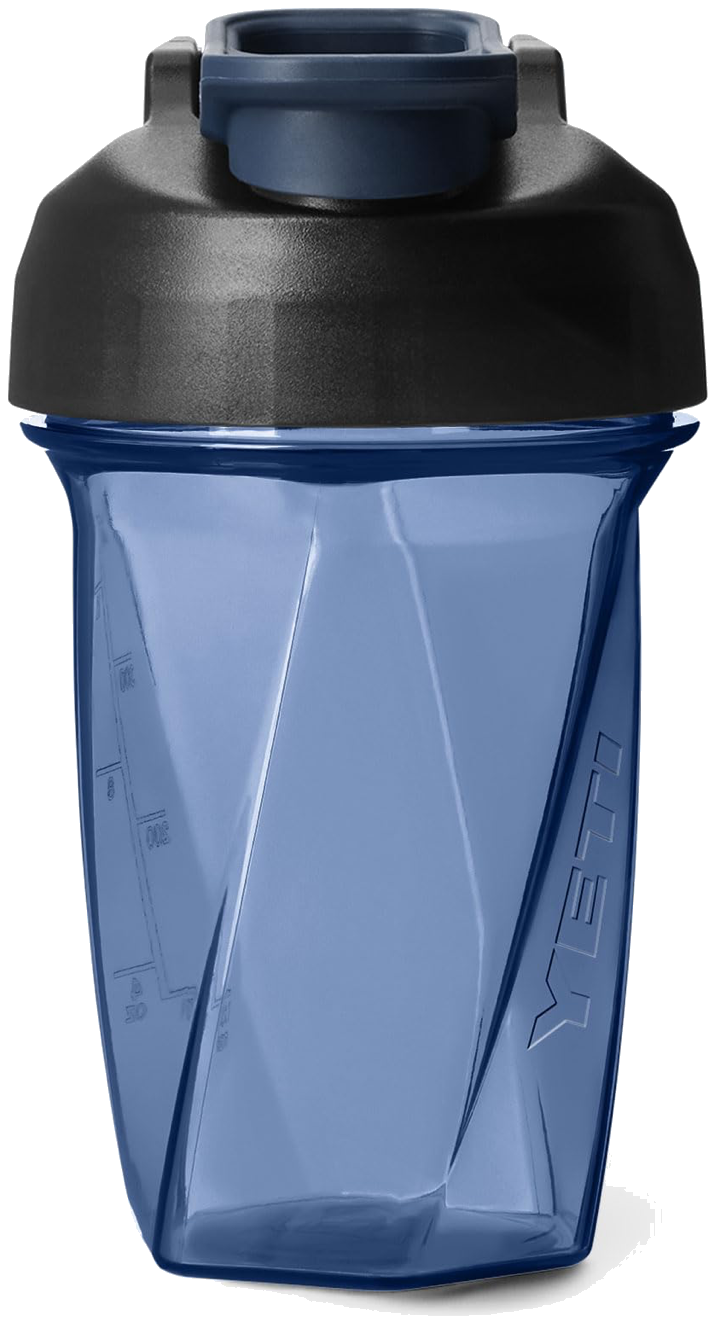
Why it matters: A leakproof mixing bottle for powdered supplements. The YETI Helimix style does not use a blending ball — it uses a vortex design that mixes cleanly without needing extra parts to clean. Makes supplementing faster and more likely to actually happen consistently.
Trainer note: A shaker without a blending ball is significantly easier to clean and maintain. Worth the upgrade if you use this every day.
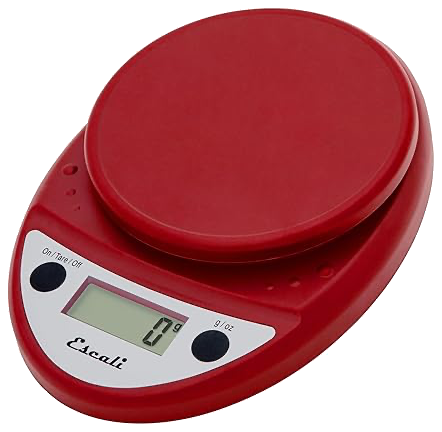
Why it matters: Accurate dosing matters when you build your own stack. Scoop sizes vary between products. A small kitchen scale or measuring scoops keeps you at the doses that actually make sense for each ingredient. Do not eyeball everything forever.
Trainer note: A $10 kitchen scale removes guessing from dosing. Scoop volume varies widely between brands. Weigh when you can.
What ingredients are in a basic pre-workout stack?
The most common: caffeine for energy, citrulline for pump support, beta-alanine for high-rep endurance, creatine for strength, and electrolytes for hydration. You do not need all of them. Start with creatine and caffeine. Those two cover most of what most people care about.
Is it cheaper to make your own pre-workout?
Often yes, especially for ingredients like creatine and citrulline that are cheap in bulk form. More importantly, you know exactly what you are taking and at what dose, which you cannot always verify with proprietary blends on commercial labels.
Should beginners use pre-workout?
Not necessarily. Beginners usually see results from basic training and nutrition without any supplements at all. If sleep, food, hydration, and consistency are already handled, creatine is a reasonable first add. Stimulants like caffeine are low-priority and come with real downsides if misused.