Junctional TrainingBY JUNCTION JAH
Recovery tools do not fix everything. But if your hips, shoulders, or back always feel locked up before you train, the right tools can help you warm up better, reduce sensitivity, and create more usable range before your session starts.
The goal is not to beat your body up. It is to prepare your body so lifting, running, sitting, and moving feel less restricted. Use these before training, after training, or during short reset sessions when you feel stuck.
These tools help you warm up better and move with less restriction. Start with the massage ball and mat. Add the rest over time. None of these treat injuries — get professional guidance for actual pain.
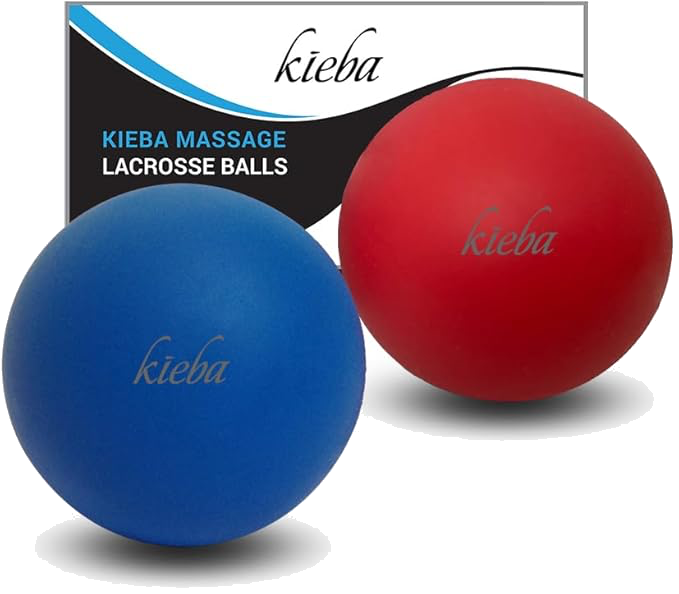
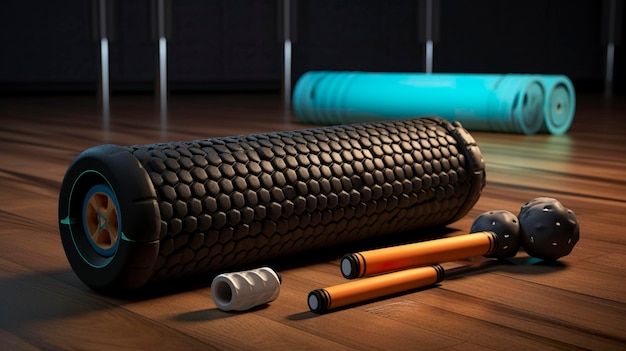
Why it matters: A massage ball applies targeted pressure to tight areas. Good for glutes, hips, upper back, pecs, and feet. Apply pressure, hold or move slowly, and the tissue usually becomes less sensitive over a couple of minutes. Fits in a drawer. One of the cheapest useful tools in this list.
Trainer note: Two minutes on the glutes before squatting can noticeably change hip depth and comfort. This is worth doing every single lower-body session.
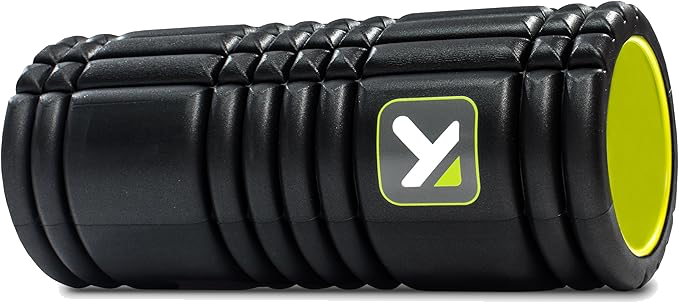
Why it matters: Better than a massage ball for larger muscle groups: quads, hamstrings, calves, and thoracic spine. Rolling into thoracic extension on a foam roller is one of the simplest ways to open up upper back mobility for people who sit for long hours.
Trainer note: A foam roller does not break up scar tissue the way people claim. What it does do is prepare tissue for movement and make warmups feel better when you are consistent about it.
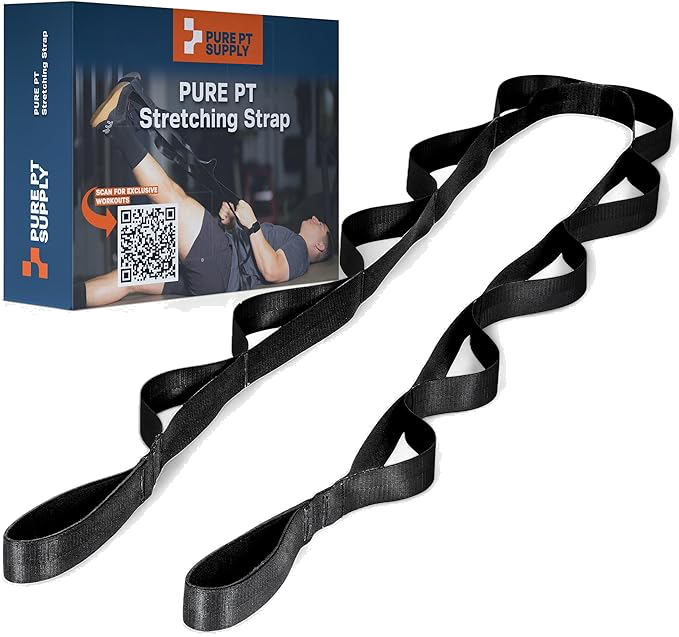
Why it matters: A looped strap lets you get into hamstring, hip flexor, calf, and shoulder stretches without needing the flexibility to reach those positions on your own. The multiple loops let you adjust how much assistance you use. Good for people who are genuinely tight and cannot access useful stretch positions without support.
Trainer note: A strap gets clients into useful stretch positions they could not access on their own. It builds active range faster than passive stretching alone.
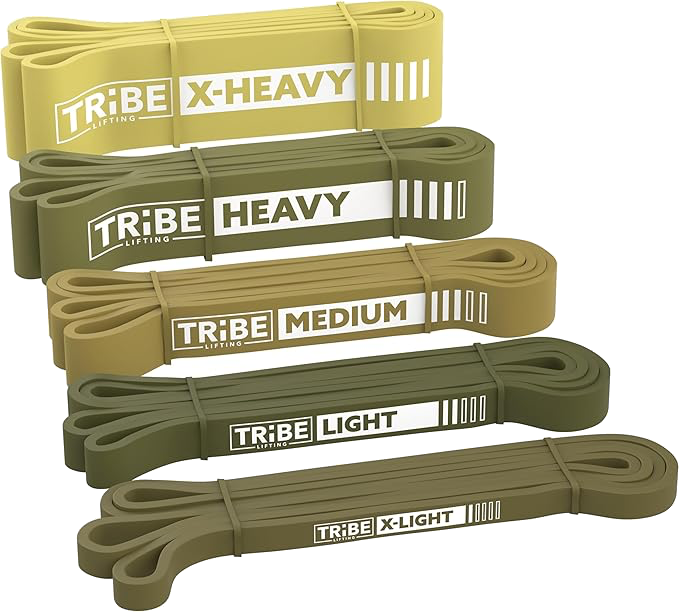
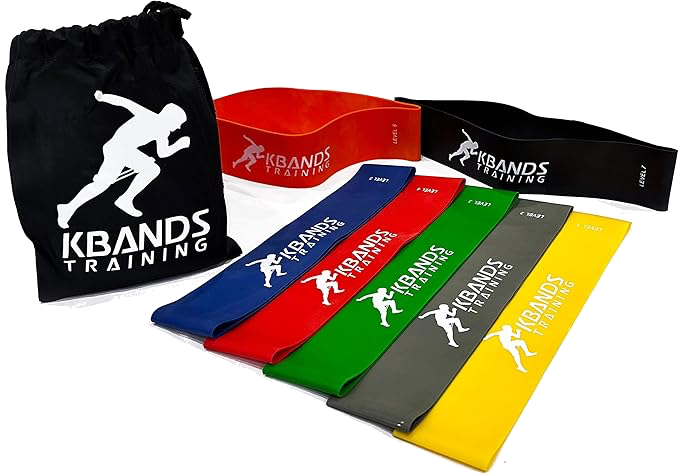
Why it matters: Beyond strength training, a long band is one of the most useful shoulder prep and hip mobility tools available. Band pull-aparts, shoulder dislocations, and banded hip drills are simple, effective, and barely take any time.
Trainer note: Band pull-aparts are one of the best shoulder health exercises available. 30 to 50 reps before any pressing session takes under two minutes and makes a real difference in shoulder comfort.
Why it matters: Mini bands around the knees or ankles for glute activation, lateral movement, hip stability work, and rotator cuff warmup patterns. Cheap, light, and easy to use during warmups without adding any real setup time.
Trainer note: Most people skip glute activation and then wonder why squats feel off. Mini bands fix that in under five minutes at the start of a session.
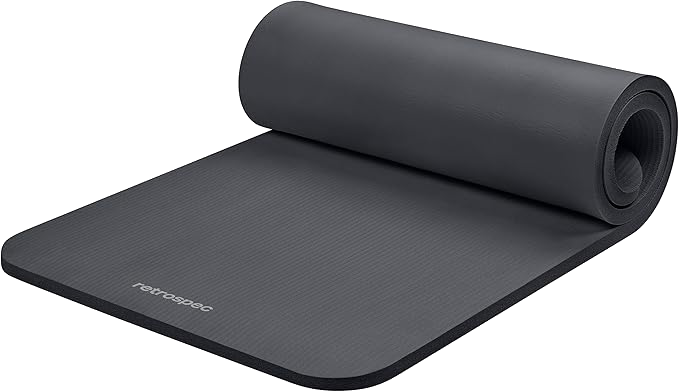
Why it matters: Most recovery and mobility work happens on the floor. A thick padded mat makes hip drills, thoracic rotation, foam rolling, and stretching more comfortable, which means you will actually do it instead of skipping because the floor is too hard.
Trainer note: A lot of people skip recovery because the floor is uncomfortable. A mat removes that excuse. Small friction reductions add up to real consistency over time.
What tool is best for tight hips?
Start with a massage ball on the glutes and a stretch strap for hip flexors. Two minutes of targeted ball work on the glutes before squatting can noticeably change how a squat feels. The stretch strap helps you access hip flexor and hamstring positions that tight hips normally block.
Is a foam roller or massage ball better?
Different uses. A foam roller covers large areas like quads, hamstrings, and thoracic spine. A massage ball reaches tighter spots like glutes, pecs, and feet that a roller cannot get to well. If you only buy one, start with the massage ball. It handles more of what most people actually need day to day.
What recovery tools should I use before lifting?
Two to five minutes of massage ball work on any area that feels tight, band pull-aparts if you are pressing, and mini band activation for hips and glutes before lower-body work. Keep it short and targeted. The goal is to prepare your body, not tire it out before training starts.