Junctional TrainingBY JUNCTION JAH
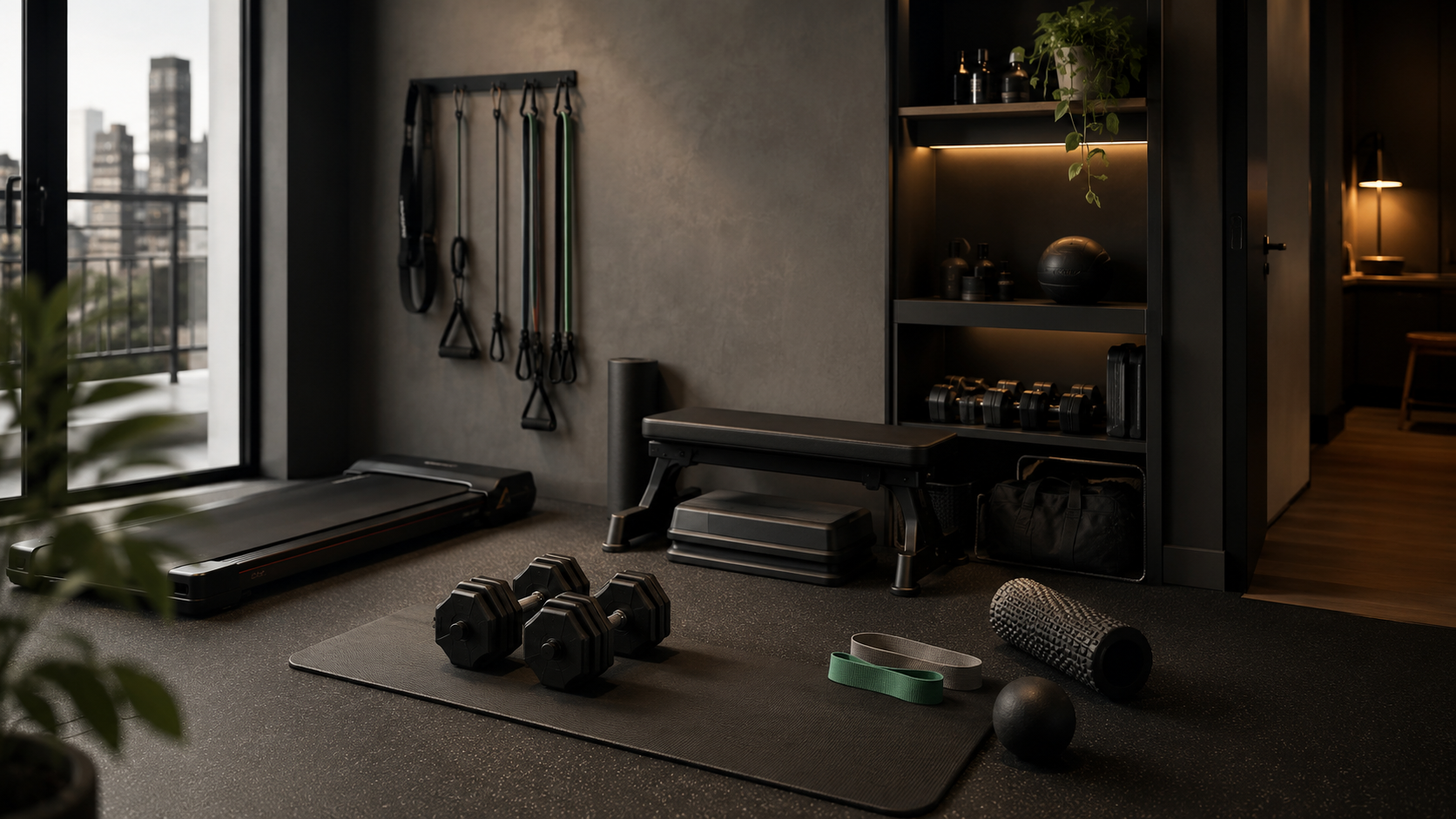
This guide is for the person who wants to train at home without turning their room into a storage unit. A small apartment gym setup should be cheap, compact, easy to store, and useful enough that you actually use it.
Do not start with random heavy gear. Build the base first: protect the floor, create anchor points, add resistance, then upgrade only when your routine proves you need more.
Follow the build order. Cheap and useful first. Heavy and expensive later. If it sits in a closet, it is not part of the stack.
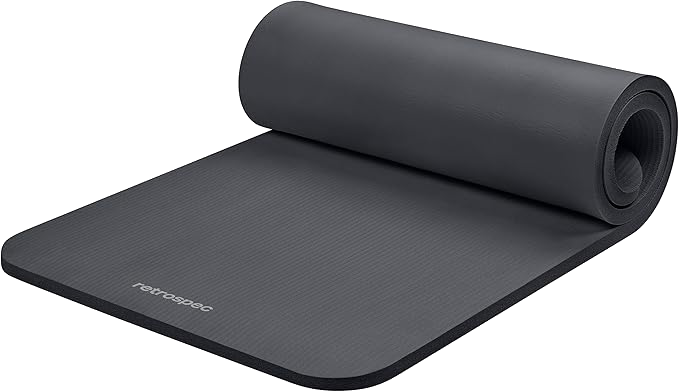
Why it matters: Before anything else, you need a clean training surface. A thick mat protects your floor, protects your knees and wrists, and creates a defined space that signals it is time to train. Floor work, stretching, pushups, core, and mobility all start here.
Trainer note: Rolling out a mat is a habit trigger. It takes two seconds and tells your brain training is starting. Do not underestimate that.
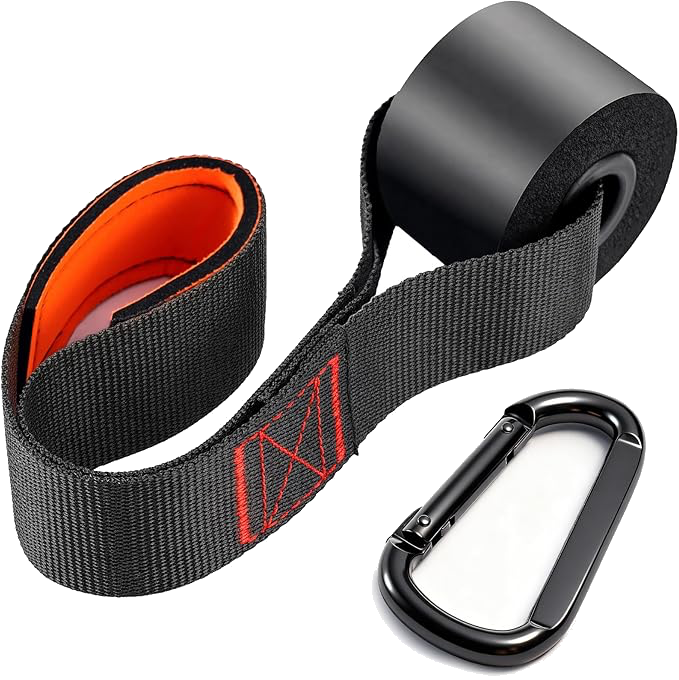
Why it matters: A door anchor turns a solid door into an anchor point for band rows, pulldowns, presses, face pulls, and anti-rotation work. Without it, bands only pull from the floor. With it, you have high, mid, and low angles for a full upper-body and postural training setup.
Safety note: Solid-core doors only. Test with light resistance before loading fully. A door anchor failing under tension is a real injury risk.
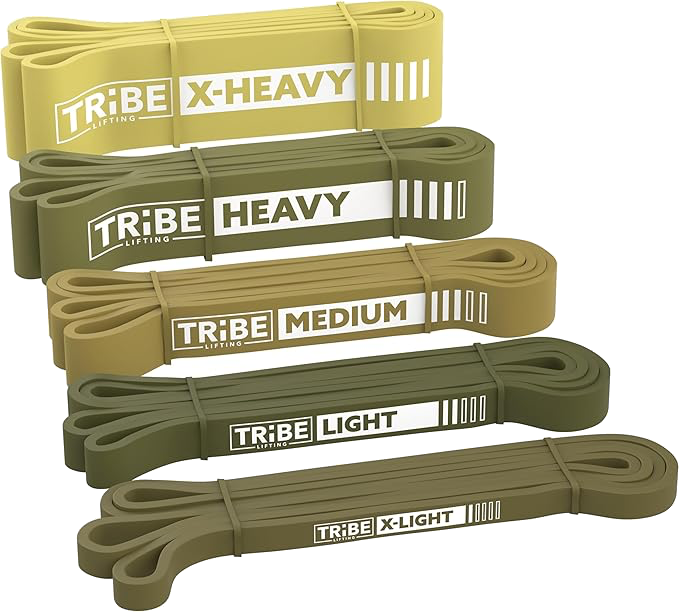
Why it matters: Long loop bands are different from mini bands and tube bands with handles. These are flat large loops that work for rows, pulldowns, presses, squats, hip hinges, assisted pull-ups, warmups, and full-body training. One band, stored in a drawer, handles most of what a beginner or intermediate needs at home.
Trainer note: If you only buy one thing for a small home gym, make it a long resistance band plus a door anchor. That combination covers more training than most people expect.
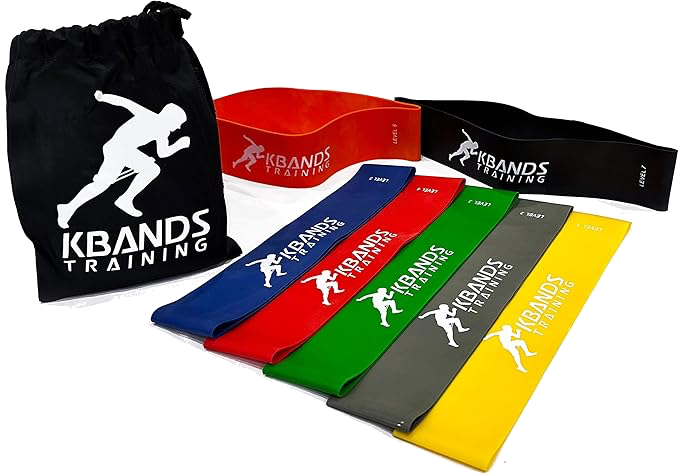
Why it matters: Mini bands go around your knees, ankles, or wrists for glute work, lateral movement drills, hip stability, and shoulder warmup patterns. They are cheap, light, and take up almost no space.
Trainer note: A $10 set of mini bands makes warmups noticeably more effective for most people. Most people skip glute activation and then wonder why squats feel off.
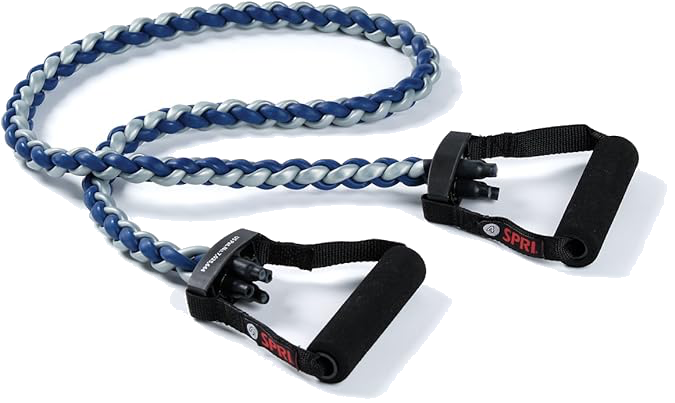
Why it matters: This is a tube band with handles, not a flat loop band. The braided build gives it more durability and a different tension feel than standard tube bands. Good for curls, presses, rows, and upper-body work where you want something that feels more like cable resistance. This is an upgrade after your basic band setup is in place, not the first thing to buy.
Trainer note: The braided build on this specific band tends to last longer and feel more stable under high tension compared to basic single-layer tube bands. Worth the upgrade once you use bands consistently.
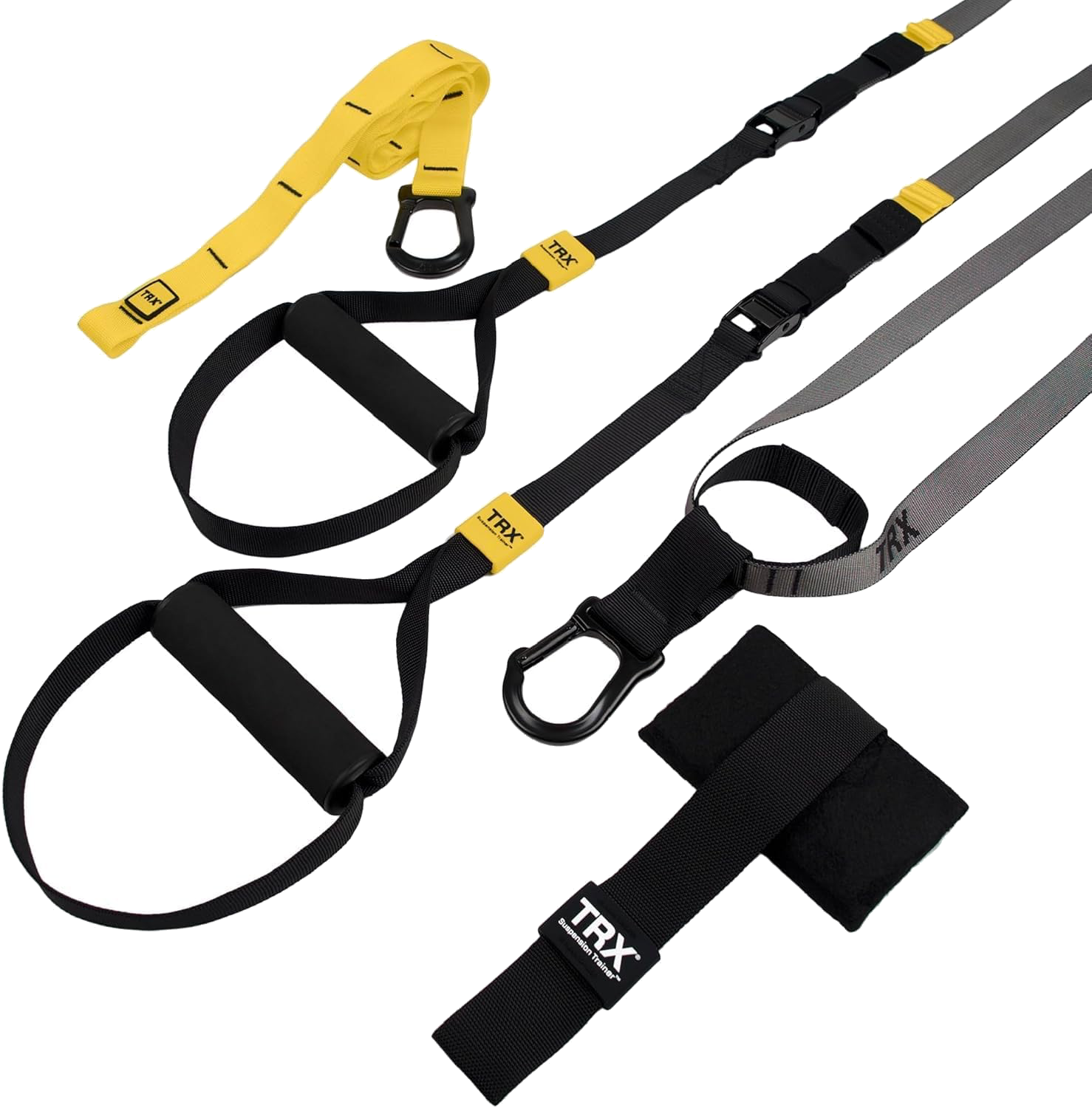
Why it matters: A suspension trainer adds bodyweight strength work to the setup: rows, split squats, assisted range of motion, pushups with instability, core work, and control training. Good if you want more exercise variety before buying weights. It stores in a small bag and hangs from any solid door anchor or ceiling mount.
Trainer note: The TRX row is one of the best upper-back exercises available at home. If shoulder health and posture matter to you, this earns its space quickly.
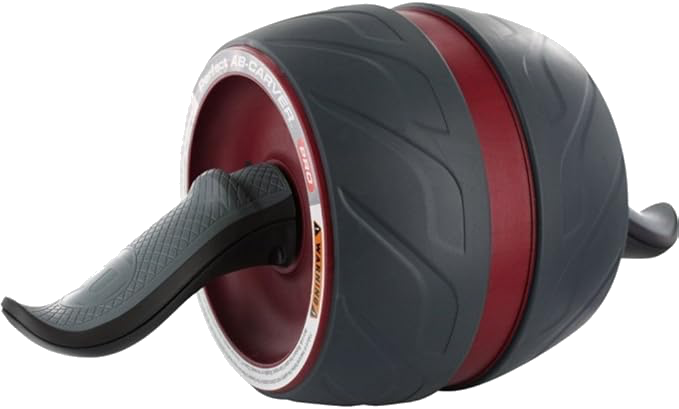
Why it matters: An ab wheel is cheap but not easy. The ab carver style has a built-in spring that helps you control the return. Good for core if you can already brace properly and control your spine through the movement. Do not use this to dump into your lower back.
Trainer note: Most people buy an ab wheel before they are ready for it. Build your bracing and plank capacity first, then use this as a progression.
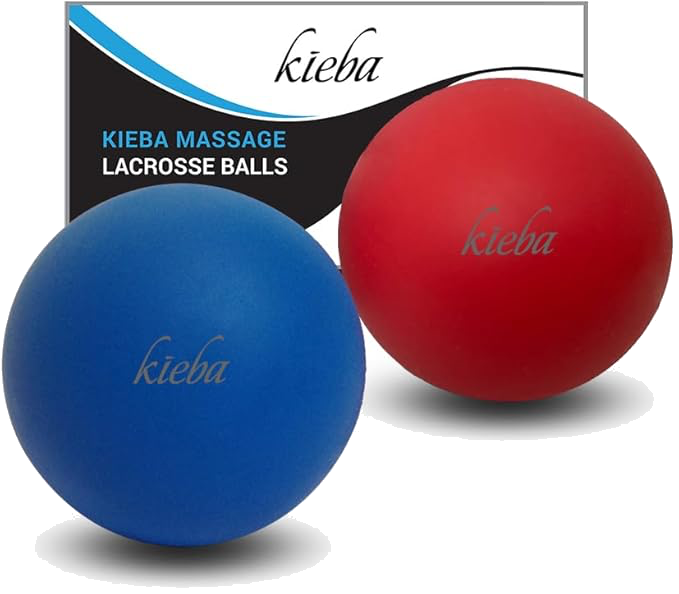
Why it matters: A small dense ball you use to apply pressure to the feet, glutes, hips, pecs, and upper back. Helps reduce tissue sensitivity before training and fits in a drawer. One of the highest-value things in this whole list per dollar spent.
Trainer note: Two minutes on your glutes before a lower body session can noticeably change how a squat or hinge feels. This is worth having early.
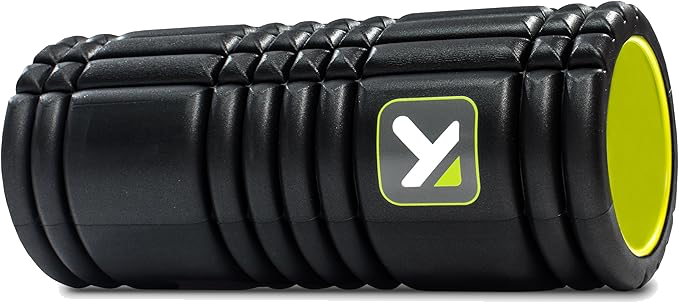
Why it matters: A foam roller is better than a massage ball for larger surface areas like quads, hamstrings, calves, and thoracic spine. More general recovery and warmup prep. Takes more space than the ball, so it is a step-up rather than the first recovery buy.
Trainer note: A foam roller does not break up scar tissue the way some people claim. What it does do is prepare tissue for movement and improve how warmups feel when you use it consistently.
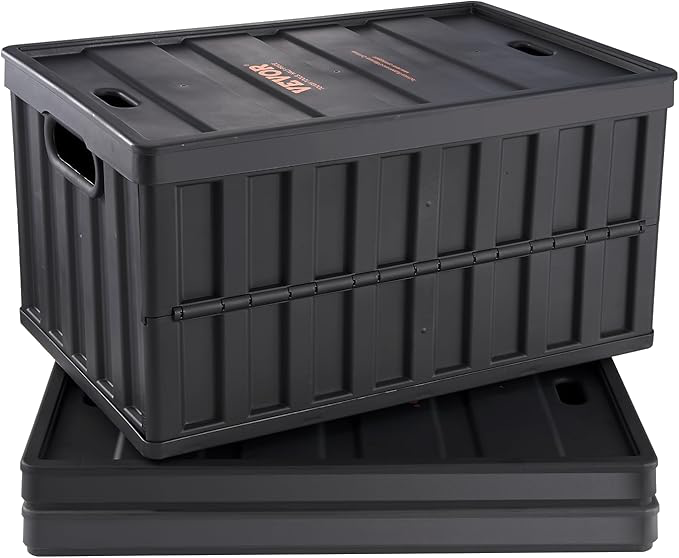
Why it matters: Once you have a mat, bands, door anchor, a massage ball, and a few other tools, gear starts ending up everywhere. If it lives on the floor randomly, it becomes clutter and people stop using it. A storage bin gives your setup a home and keeps things accessible.
Trainer note: Equipment that is out of sight stays unused. A bin or crate that keeps your gear visible and ready is part of the training system.
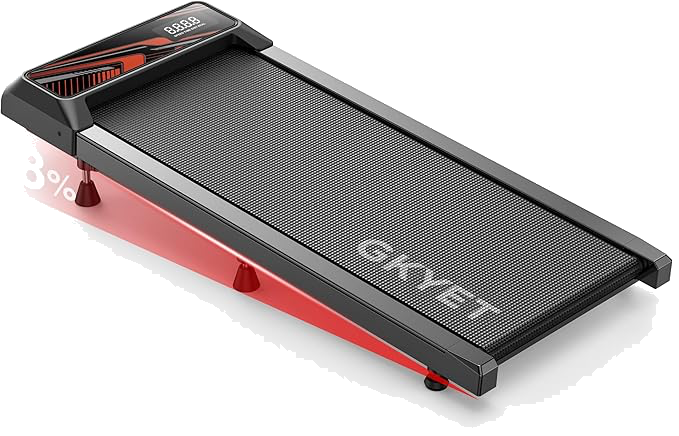
Why it matters: This is not the first thing to buy. A walking pad is a low-intensity cardio upgrade for people who want more daily movement at home without high-impact jumping. Useful if you work from home or cannot go outside easily. Check storage and floor space before buying.
Trainer note: Many walking pads now fold thin enough to slide under a bed. Check the folded dimensions before buying for a small room.
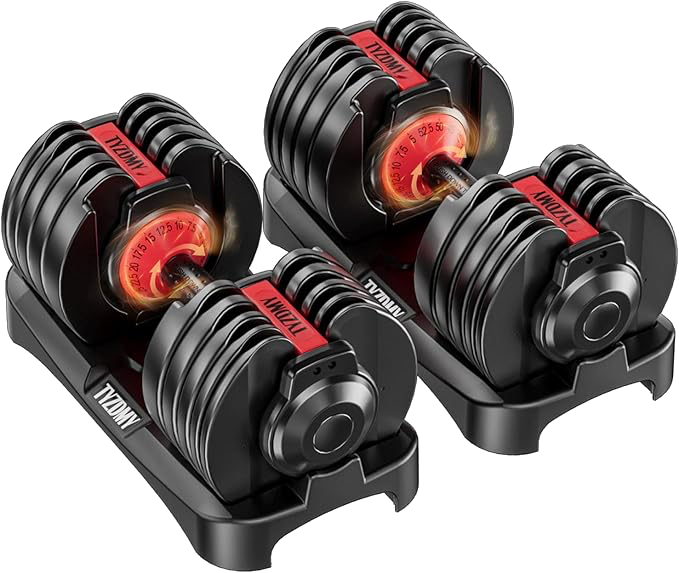
Why it matters: This is the strength upgrade after your base is built. One pair replaces a full dumbbell rack in a small space. More expensive and heavier than anything else on this list. Buy this after you have a consistent training routine, floor protection, and know you will use them regularly.
Trainer note: Do not rush to buy dumbbells before your training habit is established. If you are still figuring out when and how you train, start with bands first. They cost far less and teach you more.
What equipment do I need for a small apartment gym?
A thick mat, a door anchor, and a set of long loop resistance bands. That covers floor work, warmups, and most pulling and pressing patterns before you need anything heavier. Add a massage ball for recovery and storage once you have more than three items.
What should I buy first for a home gym in a small room?
The mat first. Before resistance, before weights, before anything else. A mat protects the floor, gives you a surface for floor work, and creates a visual training zone. Then add a door anchor and bands. Build from there.
Are adjustable dumbbells worth it for an apartment gym?
Yes, but not as a first buy. Adjustable dumbbells are expensive and heavy, and they require floor protection and a consistent routine before they make sense. Start with bands. Once you know you train regularly, the dumbbell upgrade is worth it.